

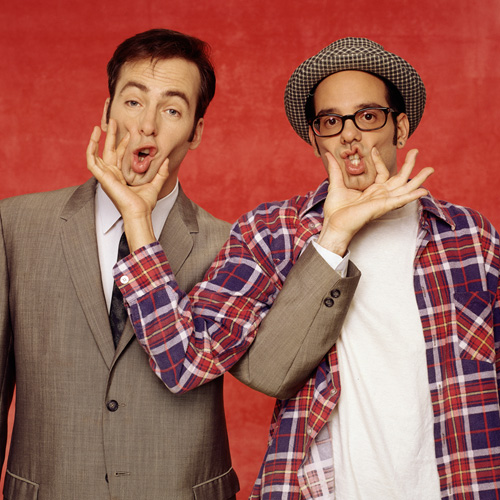
Dear lazy pop culture writers,
Mr. Show was not the most important thing that ever happened, nor did it revolutionize anything. They didn’t do anything that The Kids In The Hall or Monty Python’s Flying Circus didn’t already do on television.
Now, that’s not to say that Mr. Show wasn’t funny (most of it was really funny) or that it didn’t have a great deal of talent working on it. It was a major stepping-stone in the careers of Paul F. Tompkins, Sarah Silverman, Brian Posehn, David Cross and Bob Oedenkirk, to name a handful. Was it influential? Sure. All those people I listed went on to do a great many things and are still active in film, television and the L.A. comedy scene to this day. But this idea of Mr Show starting so-called comedy nerdom is fatuous at best. People have been obsessing about comedy and who’s truly great in that field for as long as people have been cracking jokes.
I’d argue that there’s a tendency to overemphasize the impact of certain players in the landscape of art and entertainment, largely due to the misuse of the word “genius” when we really mean things “above-average” or “intriguing”. Sometimes writers just plain confuse a pop artifact’s long-standing effects on pop culture with its effect on them. Just because Mr. Show was the sketch show that blew your mind in college doesn’t mean it changed the world. You don’t have to inflate Mr. Show’s cultural importance just because it had a profound effect on you. It was a very nice sketch comedy show that lasted a little while, employed some very creative people, spawned one egregiously awful movie, and is fondly remembered by a cult audience. Isn’t that enough?
Love,
Adam
P.S: Y B Normal, on the other hand, changed the face of TV as we knew it. Am I right?






Adam Clarke | Tue, Apr 10, 2012 | 745
On Screen