

Any fool with a fleet of ships and a compass can make a regular map of an uncharted land, but what does it take to make a smell map of an un-smelled land? I suppose any fool with a nose really. That’s what I thought anyway, until recently when I set out to map St. John’s by smell for The Scope.
How, exactly, does one go about smell mapping? To begin with I had no idea. Illustrator and author Jason Logan smell-mapped Manhattan a few years back. It seems from his smell map that one just wanders around sniffing all the wonderful hot summer city smells, makes a note, makes a map, and blam! Smell map. It is more-or-less that simple, but there are also a few tricks I learned along the way that I thought worthy of sharing with any aspiring smell-tographers out there.
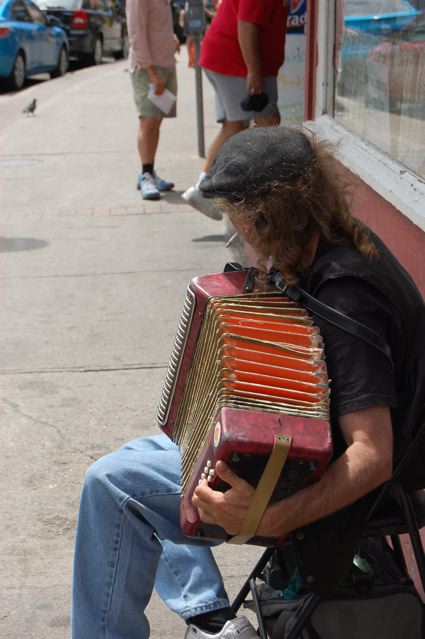
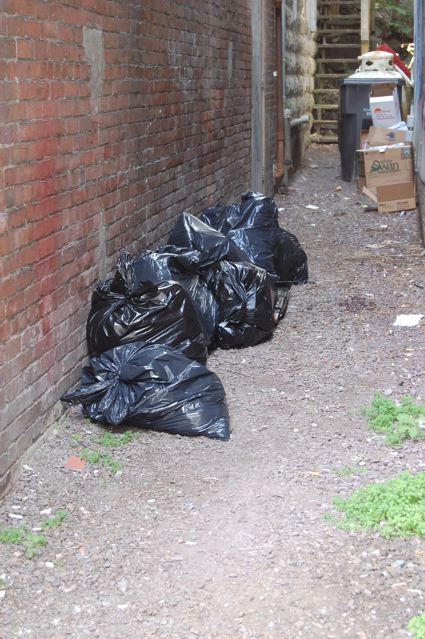
1. Don’t pass out: This might seem like ridiculous advice, but I’m dead serious. Sniffing requires far more inhalation than exhalation, not to mention seriously heightened brain activity while you attempt to name the variety of minute smells you are dealing with. Between the irregular breathing and the brain stress you can very light headed, and you are not going to make much of a smell-tographer lying passed out in a pile of dog shit, trash, and flowers in some downtown alley. So take your time, go slowly, really savour the experience (unless it is thick with dog shit and garbage, then get a move on.)
2. Train your nose: You don’t really notice how much the world stinks until you start smelling it for real. Then it really stinks. It is full of all sorts of stinks. Some good, some bad, some worse. So many that it can seem overwhelming at times to try and sort out what it is you are smelling. Before you go around smell-mapping like a pro you are going to need to train your nose. Before I began officially smell mapping I did some informal smelling everywhere I went. This requires no special equipment other than a nose and will prove very helpful when you begin mapping and are stuck trying to decide what that odour is: chicken offal or Ziggy Peelgoods.
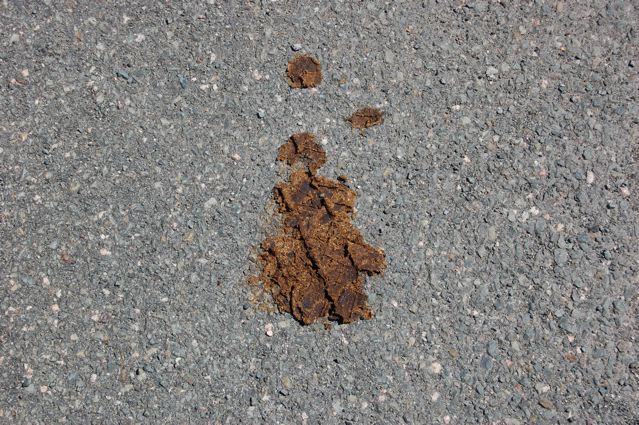
3. Develop a extensive stinkabulary: There are hundreds of words to describe all the other sensations, there aren’t any for smells. Think about it: what is the word for something that tastes like lemons? Sour . What is the word for something that smells like freshly cut grass? Nothing, there isn’t one. The lack of smell-specific words makes smell-tography the most difficult tography of them all because you’ll have describe what it is you are smelling with similies, metaphors and extravagant descriptions (“like I imagine a fisherman smells like.”). Spend some time while you are training your nose to develop a stinkabulary that provides the necessary nuance beyond good, great, gross, and disgusting. Luckily for smell-tographers, smell, despite the lack of its very own descriptive words, is very strongly connected to memory. Which is why simile works so well to describe stench—we all remember instantly what cigarette butts smell like—and may also, if I may hypothesize—which is part of any good smell-tographer’s job—explain why there aren’t smell words—we don’t need words to help us remember because we’ve got the smellmories (smell+memories). But that is the topic for some Ph. D dissertation another day.
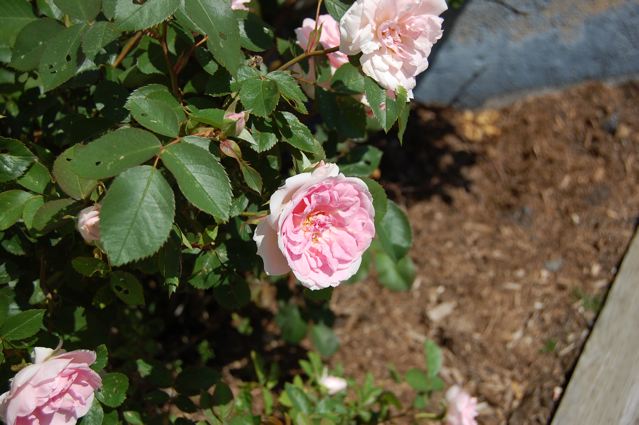
4. Damn your eyes: A smell-tographer’s eyes are a smell-tographer’s enemy. If you see something that you think should smell like one thing, even if it actually smells like something else, chances are you’ll end up smelling what you think it should smell like base upon how it looks rather than how it actually smells. This is not good. You aren’t sight-mapping, you are smell-mapping, leave the pictures and photos to Google Maps. That suburban neighbourhood may look like all the others, which smell like freshly cut grass, flowers, and hot asphalt, but it actually smells like bacon grease. A smell-tographer’s is not to question why. Don’t let your eyes fool your nose, you’re a smell-tographer, your nose is king. Trust your well-trained nose.
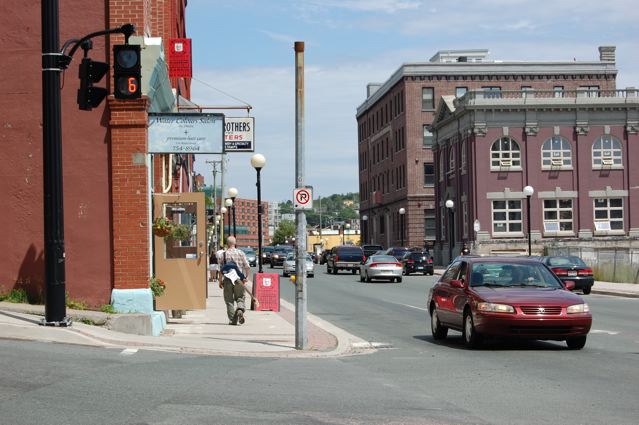
5. Manage your own stink carefully: One of the trickiest bits of smell mapping, I found, was deciding what smells were the city’s and what smells were my own. I mapped the downtown on foot on a hotter-than-hell Saturday afternoon. I made the mistake of slathering on a thick layer of sunscreen before heading out which meant that for the first half of the excursion everything I smelled was punctuated by a slightly citrusy-floral sunscreen smell. For the outer reaches of the city I used some advanced smell-tography equipment known in the trade as a smell-tographic mobile (a slow moving car with the window rolled down). This once again proved a challenge, trying to discern between the city’s stink and the car’s air freshener stink. Once again, some smell training will come in handy to help you figure out which stinks are yours and which are the city’s, but do your best to keep your own stinks to a minimum if at all possible. (And no, the lingering farts smell by the Stavanger Walmart was not one of my stinks, it was legit. I triple checked).
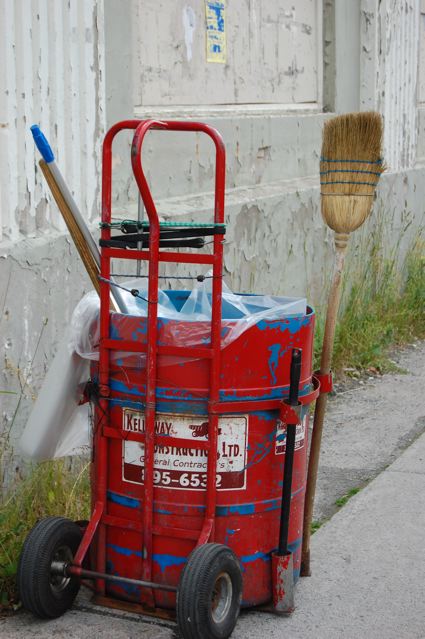
6. Get the right tools for the job: There is nothing more pathetic than some amateur smell-tographer scribbling smells on the back of receipts with a crayon. If you want to be a professional smell-tographer you are going to need to gear up. For excursions on foot you are going to need some good walking shoes, some unscented whatever you might slather on yourself to keep you from stinking to high heaven or burning to a crisp in the sun, a notepad, a sight-map (one of them more traditional maps like the explorers used to make), and a pen or pencil with sufficient ink or lead. This allows you to take your time, chart the smells carefully, and record your route and attach smells to their location to help you with drawing your map later. If you are going out in a smell-tograpic mobile then you are going to need an assistant to either drive or record and help verify tricky smells while on the road. Smell-tographing while driving can be very dangerous, but if you cannot find anyone without a day job to join you, get a little hand-held digital recording device, put it in your shirt pocket, and narrate the smells of the city as you safely sniff your way through rush hour traffic in far flung suburbs and transcribe the “tape” (microchip doesn’t have the same ring to it) back at your smell-tography laboratory (Click here to listen to a real-life smell-tographer in action).
7. Have fun: Smell-tography is a very under-appreciated and far ahead of its time pursuit. There aren’t, to my knowledge, any fancy institutes, highfalutin professional societies, elitist post-doctoral training programs, or anything like that associated with smell-tography. And, like the complete lack of smell-words, there is no real way to represent a space olfactorially without having to revert to the tired old normal map with a list of associated smell similes. Which stinks! Perhaps one day smell taxonomists will create an actual stinkabulary of actual smell words and the iPhone will come with a scratch and sniff app and us smell-tographer’s art will finally be given the treatment it deserves. But, in the meantime, you’ll be doing this for fun and for free so you best enjoy it.




Morgan Murray | Thu, Aug 5, 2010 | 793
City